Let Istar help you get started on your project with our experience and know-how!
Upload your design files and production requirements and we will get back to you within 30 minutes!
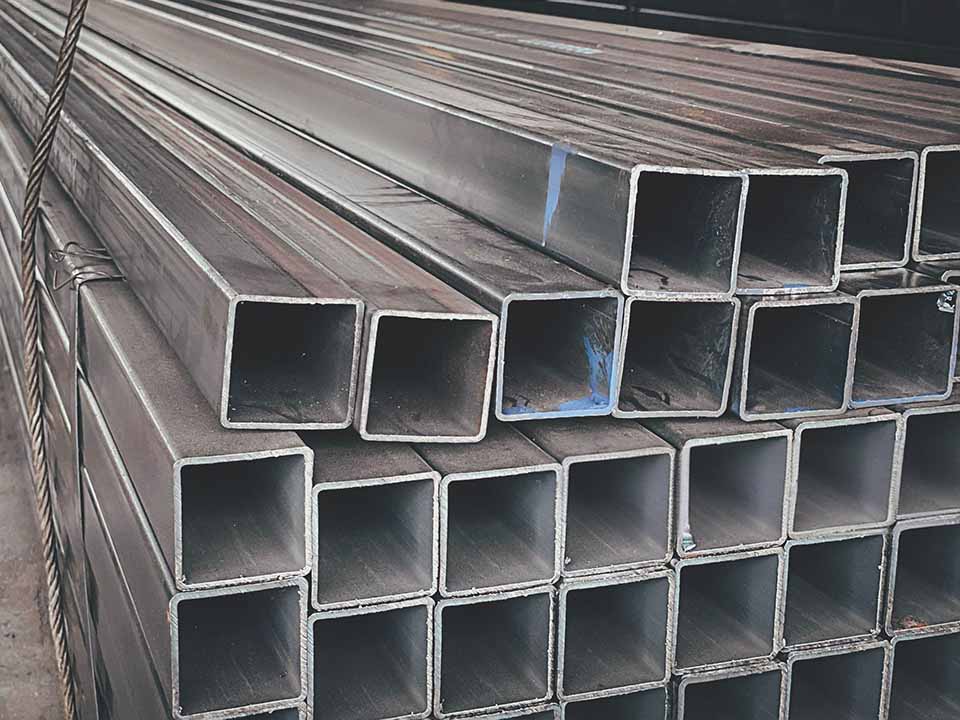
If you work in construction, fabrication, CNC machining, product design, or procurement, you’ve probably hit this exact moment:
“The drawing just says steel. The supplier asks: hot-rolled or cold-formed (or cold-rolled). Which one do I pick—and what happens if I pick wrong?”
For structures, the wrong choice can mean unexpected deflection, tricky connections, or serviceability problems. For machining, it can be even more painful: parts that warp after roughing, tool wear from hard mill scale, extra finishing passes, and blown tolerances.
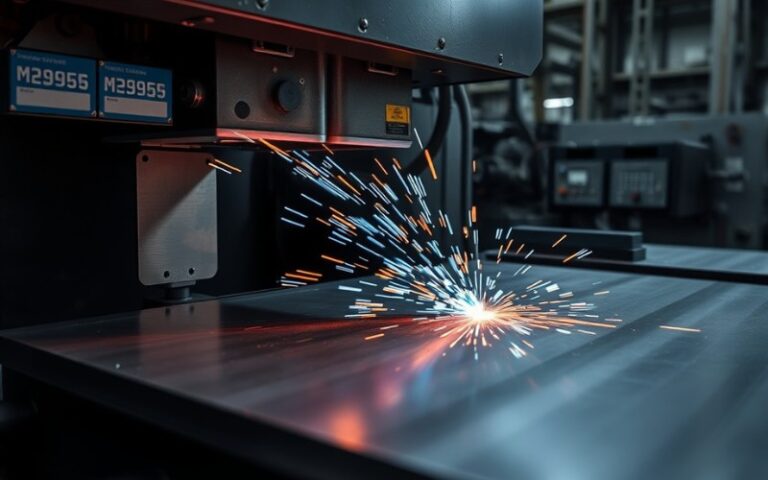
At Istar Machining, we see both sides every day: steel that has to stand up as a structure and steel that has to behave on the machine. Instead of memorizing textbook definitions, this guide focuses on how hot-rolled and cold-formed steel behave under load and under the cutting tool—so you can justify your choice to engineers, machinists, and clients.
At the simplest level, the difference is temperature—and what that temperature does to the steel during shaping.
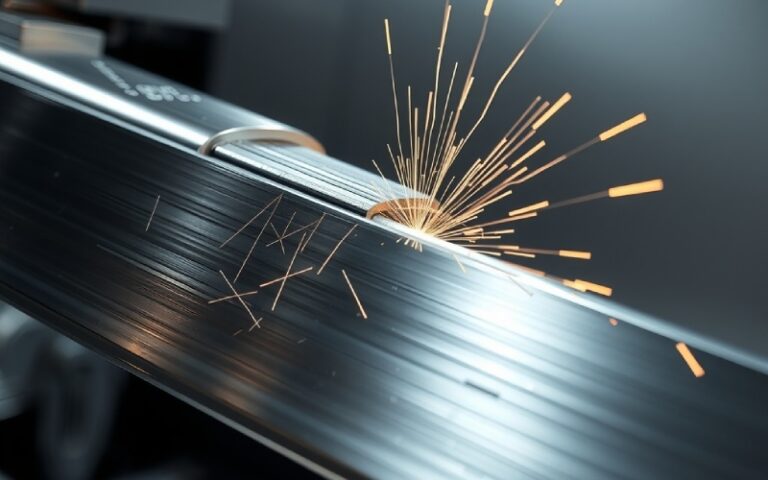
Hot-rolled steel is shaped at high temperature (above recrystallization). The steel is softened, run through rolling stands, and formed into plates, beams, channels, rails, and other heavy sections. After rolling, it cools in air. Because it’s shaped while soft, it’s well suited to large, thick, heavy geometry.
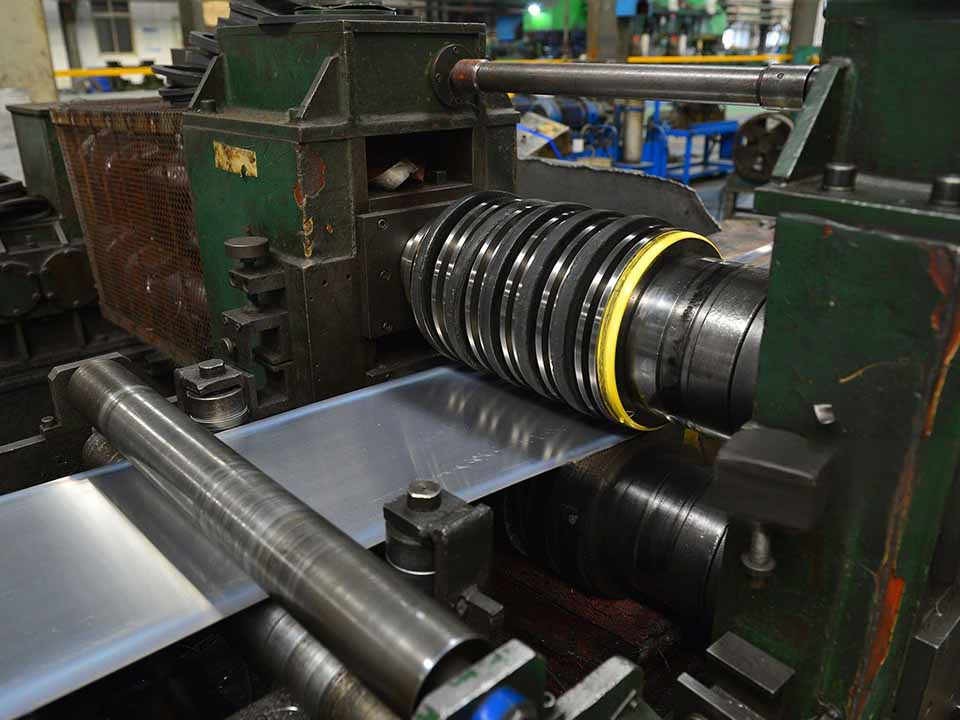
Cold-formed steel is shaped at or near room temperature. Coil or sheet is bent, pressed, or roll-formed into thinner, more intricate profiles—studs, purlins, channels, roofing sheets, rack sections, and so on. Because the steel is being formed while “hard,” the process adds strength via work hardening, but it can also introduce residual stresses and increases sensitivity to buckling.
A quick translation of how people use the terms in the field:
From a machining and fabrication point of view, the differences show up like this:
| Aspect | Hot-Rolled Steel (for machining) | Cold-Rolled / Cold-Formed Steel (for machining) |
|---|---|---|
| Raw material cost | Usually lower cost per kg, widely available | Often higher cost per kg |
| Surface condition | Rough, mill scale and oxide layer that must be removed before precision work | Smooth, clean surface that needs less stock removal |
| Dimensional consistency | Typically looser mill tolerances; more variation in size and straightness | Typically tighter and more consistent size and straightness |
| Internal stress level | Generally lower residual stress; more dimensionally stable when machined | Higher residual stress from cold work; parts can move when material is removed |
| Machining behaviour | More stable geometry but mill scale is abrasive and hard on cutting edges | Cuts cleanly once clamped, but can warp or bow after roughing as stress releases |
| Best use in machining | Heavier parts, welded structures, components fully machined from rough stock | Precision shafts, plates, and profiles where surface and tolerance matter |
Hot-rolled steel is the workhorse of heavy structures: bridges, multi-storey frames, cranes, rails, thick base plates. Rolling at high temperature relieves most internal stresses, so you typically get a material that’s ductile and forgiving, especially when the structure sees unusual events (impact, overload, seismic demands).
Just as important: hot rolling makes it economical to produce thicker, deeper, more massive sections that would be impractical to press or bend cold.
Hot-rolled tends to be the default when you prioritize:
Typical characteristics of hot-rolled sections:
You’ll see hot-rolled where the loads are serious and the geometry is straightforward:
A quick “jobsite test”:
If you’re looking at a member that must not surprise you (crane runway beams, transfer structures, heavily loaded columns), hot-rolled is usually where engineers start—because behavior is more predictable and detailing is simpler.
Signals hot-rolled is probably the right call:
Cold-formed sections start life as coil or sheet—often with a cleaner surface than as-rolled hot steel. They’re shaped at room temperature into channels, sigma sections, studs, Z-purlins, hat sections, decking, and more.
Because the steel is cold-worked during forming, yield strength often increases—but the sections are also thin, which pushes you into a different design world: slender plates, local/distortional buckling checks, and connection/bracing details that matter a lot.
Typical characteristics of cold-formed sections:
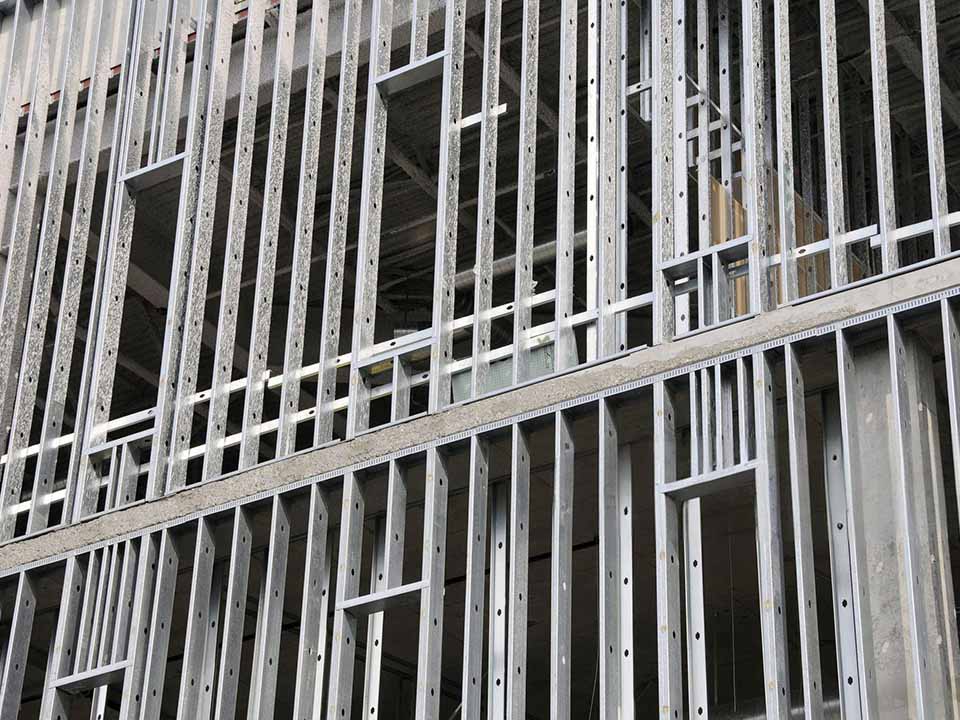
Cold-formed steel dominates in light-gauge framing and precision sheet-based products:
A simple mini-scene to anchor it:
If you’re framing hundreds of identical wall studs or laying out repeating purlin lines across a warehouse roof, the value of tight tolerances and fast installation adds up quickly. Cold-formed isn’t “lighter metal”—it’s often a whole system designed for repetition.
Signals cold-formed is probably the right call:
| Aspect | Hot-Rolled Steel | Cold-Formed Steel |
|---|---|---|
| Forming temperature | Above recrystallization (very high) | At/near room temperature |
| Typical thickness / size | Medium to very thick, large sections | Thin to medium sheet/coil, smaller profiles |
| Surface finish | Rougher, mill scale present | Smooth, cleaner surface |
| Dimensional tolerances | Moderate | Tight, highly consistent |
| Yield strength (per mm thickness) | Lower, very ductile | Higher due to cold work; thinner/slender members |
| Buckling behavior | Compact; less local buckling-prone | Slender; must address local/global/distortional buckling |
| Best for | Heavy primary structure, high loads | Secondary members, light framing, repetitive parts |
| Connection style | Welding, bolting | Screws, bolts, rivets, light welding |
| Cost behavior | Cost-effective per tonne in large sizes | Often cost-effective per installed function |
| Typical lead time | Stock sections often available | Roll-formed profiles may be made-to-order |
| Sustainability angle | Energy intensive; widely recyclable | Efficient material use; high recyclability |
How to use this table fast:
It’s tempting to stop at “cold-formed is stronger because yield strength is higher.” That’s only part of the story.
Yes—cold forming can raise yield strength through work hardening. But thin walls are also more slender, which increases sensitivity to local and distortional buckling. Hot-rolled sections, being thicker and more compact, often behave more predictably when the structure is pushed hard (overload, impact, seismic actions).
That’s why design codes treat them differently: cold-formed design spends a lot of effort on effective widths, stiffeners, buckling modes, and detailing; hot-rolled design more often focuses on overall member behavior and ductility.
Practical takeaways:
On paper, cold-formed and cold-rolled steel look attractive for CNC work: higher yield strength, clean surface, and tight starting tolerances. In the machine shop, there are two realities you can’t ignore: internal stress and surface condition.
1. Cold-rolled stock: clean surface, but more internal stress
Cold-rolled bar and plate are work-hardened and straightened at room temperature. That process often leaves locked-in stress inside the material. When you start removing metal on one side, that stress can relax and make the part move.
Typical symptoms we see in machining:
In our shop, a common workflow for stressed cold-rolled stock is:
This adds a little time, but it’s cheaper than scrapping a warped precision part at the final operation.
2. Hot-rolled stock: more stable, but the scale is brutal on tools
Hot-rolled steel is formed at high temperature and cools in air, so internal stresses are usually lower and the material tends to stay more stable as you machine it. The trade-off is the mill scale and oxide layer:
In practice, that can mean:
3. What this means for cost and process planning
For procurement and engineers, the main implications are:
When you discuss material options early—structure, tolerance, machining strategy, and coating together—you can avoid a lot of hidden cost from warping, rework, and tool changes.
Once you zoom out from material properties, the decision becomes about loads, geometry, fabrication, logistics, and what your site crews can reliably install.
Start here:
Common trade-offs you’ll recognize immediately:
A common “no drama” setup:
Rule of thumb: If the element makes the building stand up, start with hot-rolled. If it mainly carries cladding, services, or partitions, cold-formed often wins.
Cost and speed rule, with repetitive bays:
A useful question here is not “which is better?” but: “Which members are repetitive and non-critical enough to shift to cold-formed without creating new risks?”
This is cold-formed territory:
Most modern racking is predominantly cold-formed with purpose-designed profiles.
In theory you can model life-cycle cost. In practice, you’re juggling local availability, mill schedules, fabricator capability, coating lead times, and the calendar.
Questions worth asking early (before the schedule tightens):
Steel is highly recyclable, and many structural products contain recycled content. The difference usually comes down to process energy and how efficiently you use material.
Cold forming generally uses less process energy than heating steel to hot-rolling temperatures (though it depends on the full production chain). Cold-formed systems can also reduce tonnage by using thin material efficiently—when buckling and durability are properly addressed.
If sustainability is a serious project target:
Two steady trends are worth watching:
On the hot-rolled side:
On the cold-formed side:
Practical implication: vendor quality and specification detail matter more than the label “hot-rolled” or “cold-formed.”
When you’re staring at a member schedule or an RFQ, run this quick checklist:
If you’re still unsure: prototype one typical bay both ways and compare weight, cost, lead time, and risk side by side—then standardize.
Not exactly. Cold-formed often has higher yield strength per thickness due to work hardening, but hot-rolled members are typically thicker and more compact, which can mean higher overall capacity and ductility. “Stronger” depends on thickness, shape, buckling behavior, and detailing.
Quick explanation: Cold-formed is often “strong and skinny.” Hot-rolled is often “strong and chunky.” Skinny members buckle differently, so design rules differ.
Hot-rolled is usually cheaper per tonne for standard large sections and easier to source. Cold-formed can win on total cost when it reduces weight, speeds installation, or benefits from automated production at scale.
Yes—this is extremely common: hot-rolled primary frame + cold-formed secondary framing.
Yes, when designed and detailed correctly. Slenderness and perforations mean buckling, bracing, and connections need careful attention. Hot-rolled tends to be more forgiving due to ductility and compact shapes.
Hot-rolled often gets blasted and painted (or galvanized) based on exposure. Cold-formed often starts from pre-galvanized coil or factory-coated material. The key is matching the coating system to the exposure class.
No. Cold rolling produces sheet/coil with tight thickness/flatness. Cold forming bends/roll-forms that sheet into structural shapes. People blur the terms, but specifications benefit from being precise.
If you remember only three things:
A quick action you can take today: mark each steel element as primary / secondary / tertiary, then ask whether the current material choice matches that role.
If you’re juggling drawings, specs, and supplier quotes, a second set of eyes can help:
Once you think this way, you’re not just “ordering metal”—you’re matching material to behavior, install reality, and project risk.